
Report on the educational excursion on chamois
Author: Maria Petridou, 01/09/2025
Introduction
On May 11th, 2025, an educational excursion was organized on Mount Tymfi, in the wider area of Vrysochori, with the aim of introducing participants to the ecology and conservation of the Balkan chamois (Rupicapra rupicapra balcanica). The event attracted great interest, with more than 350 applications, out of which 47 individuals participated. The group consisted of 40 students and staff members from the University of Ioannina, alongside seven citizens, including professional mountain guides and members of the Mountaineering Club of Ioannina.
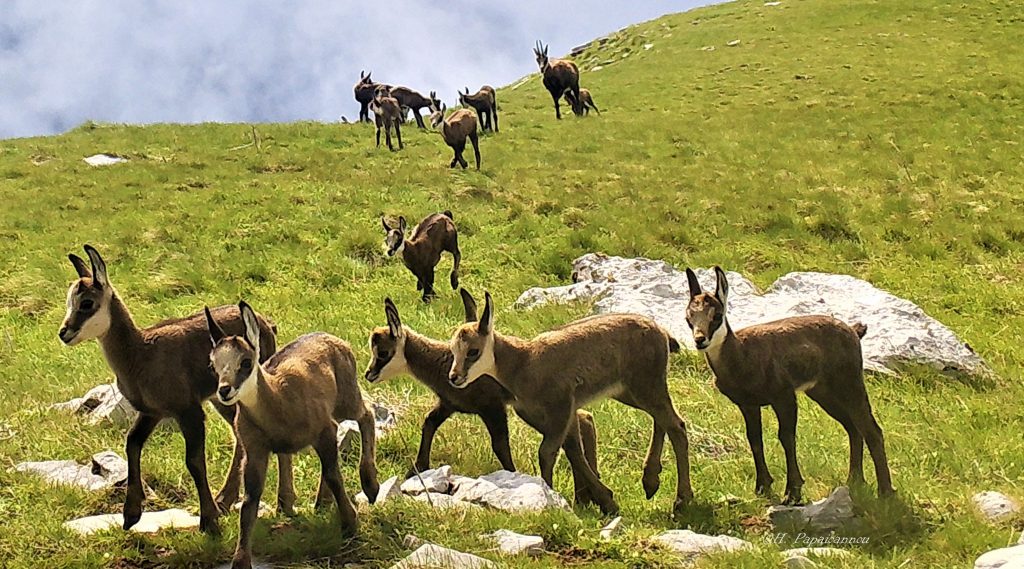
During the excursion, participants hiked through beech forests and alpine meadows, experiencing the rich biodiversity and scenic landscapes of Tymfi. Wildlife observations included groups of chamois with their young and a female bear with her cubs, offering a unique and powerful encounter with large mammals in their natural environment. Along the route, participants were also introduced to ecological concepts related to the chamois, its habitat requirements, and the importance of habitat connectivity for the long-term survival of the species.
The excursion received public visibility, as a reporter from the local television channel EpirusTV1 joined the event, capturing footage and conducting interviews. A short feature about the activity was subsequently broadcast, further highlighting the importance of the initiative and the high level of local interest (EpirusTV1, 2025; available at: https://www.youtube.com/watch?v=L1ElIdrY5hE)
To assess the educational impact and the experiential dimension of the activity, an anonymous structured questionnaire was distributed to all participants at the end of the excursion. In total, 45 out of 47 participants completed the questionnaire (response rate 96%). The questionnaire included both closed-ended and open-ended questions designed to capture (i) participants’ overall evaluation of the excursion, (ii) knowledge gained regarding the chamois and its habitat, (iii) perceptions of the importance of ecological connectivity, (iv) their direct experience of observing the species, and (v) their engagement and willingness to use the citizen-science mobile application “Agriogido.” Finally, an open-ended question invited participants to reflect on the most important experience they gained from the excursion, providing qualitative insights into the educational and social dimensions of the event
Results
Q1. Overall evaluation of the excursion
Participants evaluated the excursion very positively. On a 0–10 scale, the mean score was 9.2 (±0.9). Scores ranged from 7 to 10, with the majority assigning the highest ratings (20 respondents gave a score of 10, 16 gave a score of 9, Fig. 1). Only three participants rated the excursion with 7, and six with 8.
These results indicate a consistently high level of satisfaction with the organization and content of the educational activity.
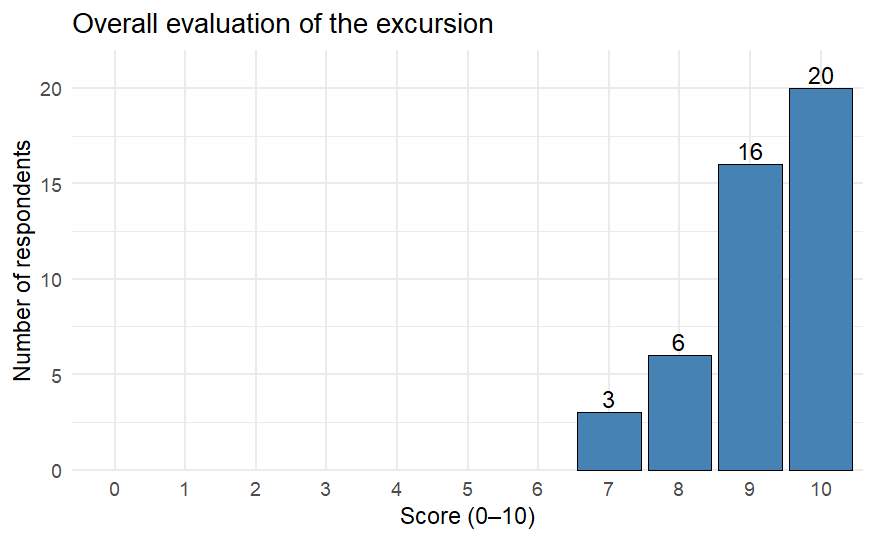
Figure 1. Overall evaluation of the chamois excursion by participants, assessed on a scale from 0 (poor) to 10 (excellent).
Q2. Knowledge gained
Question asked: “How much new knowledge did you gain on the following topics as a result of this experience?”
· The ecology of the chamois
· The habitat requirements of the chamois
· The threats faced by the chamois
· The importance of habitat connectivity for the survival of the chamois
Responses were given on a Likert scale from 1 = not at all, 2 = a little, 3 = medium, 4 = much, 5 = very much.
The educational excursion substantially enhanced participants’ knowledge of the chamois. Reported learning was consistently high across all four items, with mean values ranging from 4.33 to 4.64 on the 1–5 Likert scale. Most responses were concentrated in the upper scale categories, with 89–98% of participants selecting “much” or “very much” across the four topics (Fig. 2). Only a small minority of participants selected medium or lower categories.
These results indicate that the educational activity was effective in transmitting both ecological knowledge and conservation concepts to the participants.
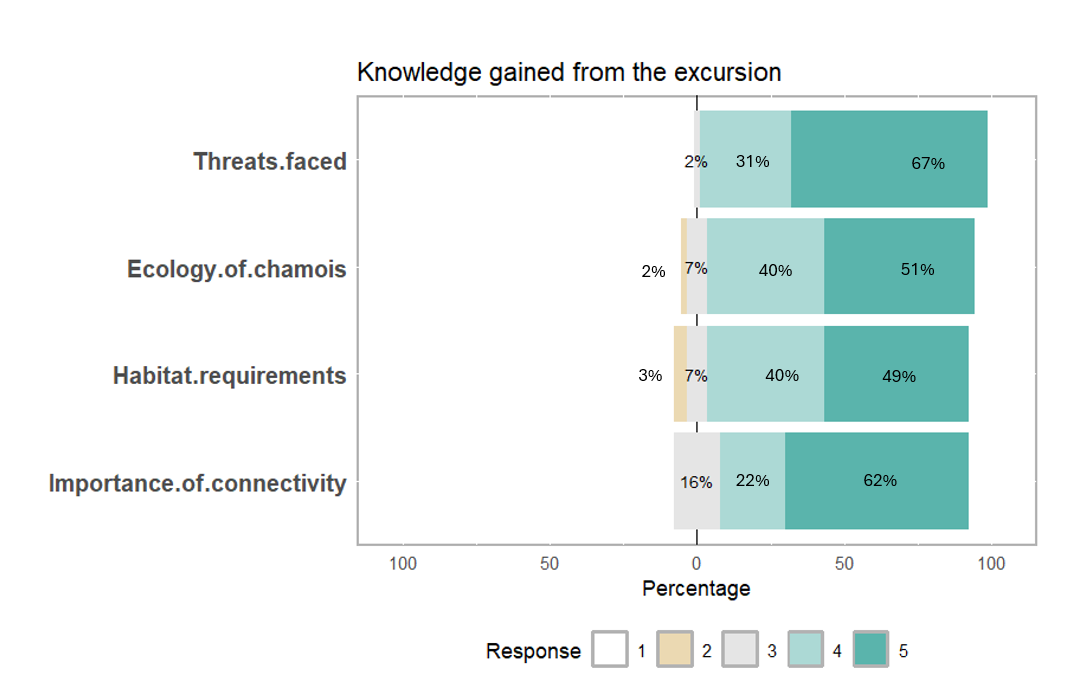
Figure 2. Knowledge gained by participants from the excursion, assessed on a Likert scale (1–5), where 1 = not at all, 2 = a little, 3 = medium, 4 = much, and 5 = very much.
Q3. Perceptions on the importance of habitat connectivity
Question asked: “To what extent do you agree with the following statements on habitat connectivity?”
- The ability of the chamois to move freely between areas is essential for its survival
- Habitat fragmentation can lead to isolation and genetic weakening of chamois
- It is important to maintain or restore ecological corridors for the species
Responses were given on a Likert scale from 1 = not at all, 2 = a little, 3 = medium, 4 = much, 5 = very much.
Participants expressed consistently high levels of agreement regarding the role of habitat connectivity in chamois conservation. On a 1–5 Likert scale, mean responses ranged from 4.56 to 4.73 across the three items. Across all statements, the vast majority of participants (89–94%) selected the top categories (“much” or “very much”), while only a small minority reported medium levels of agreement and none chose the lower categories (Fig. 3).
These results reflect a broad consensus among participants on the essential role of habitat connectivity in ensuring the long-term survival of the chamois.
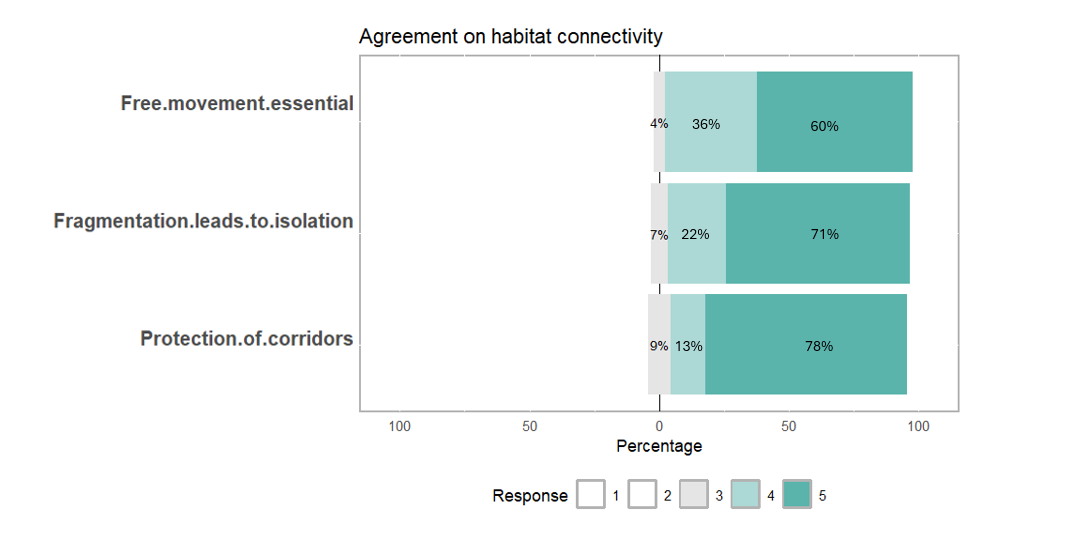
Figure 3: Agreement of participants with statements on habitat connectivity for the chamois, assessed on a Likert scale (1–5), where 1 = not at all, 2 = a little, 3 = medium, 4 = much, and 5 = very much.
Q4. Inspiration for future actions
Question asked: “How much did this excursion inspire you to…”
· Spend more time in the mountains
· Contribute to the protection of mountain ecosystems
· Support conservation actions for the chamois
· Support actions for maintaining or restoring habitat connectivity for the chamois
Responses were given on a Likert scale from 1 = not at all, 2 = a little, 3 = medium, 4 = much, 5 = very much.
Participants reported that the excursion provided a strong source of inspiration for future actions. Reported motivation was consistently high across all four items, with mean values ranging from 4.31 to 4.44. More than 90% of respondents selected “much” or “very much” for spending more time in the mountains and contributing to the protection of mountain habitats, while similarly high proportions indicated support for protecting the chamois and maintaining ecological corridors (Fig. 4). Only a small minority selected medium or lower values.
These results highlight the role of experiential activities in strengthening pro-conservation attitudes and intentions among participants.
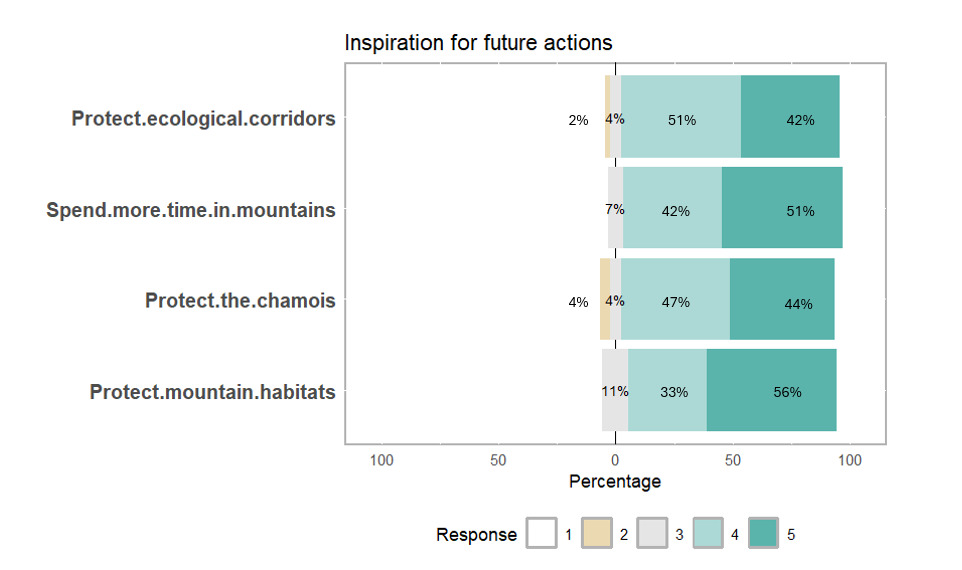
Figure 4. Inspiration of participants for future actions following the excursion, assessed on a Likert scale (1–5), where 1 = not at all, 2 = a little, 3 = medium, 4 = much, and 5 = very much.
Q5: Experience with chamois and future engagement
Questions asked:
- 5a. Had you seen the chamois before this excursion? (Yes/No)
- 5b. Did you see the chamois during the excursion? (Yes/No)
- 5c. Do you now feel more capable of identifying the chamois? (Likert 1–5)
- 5d. Would you use the “Agriogido” app for reporting chamois? (Likert 1–5)
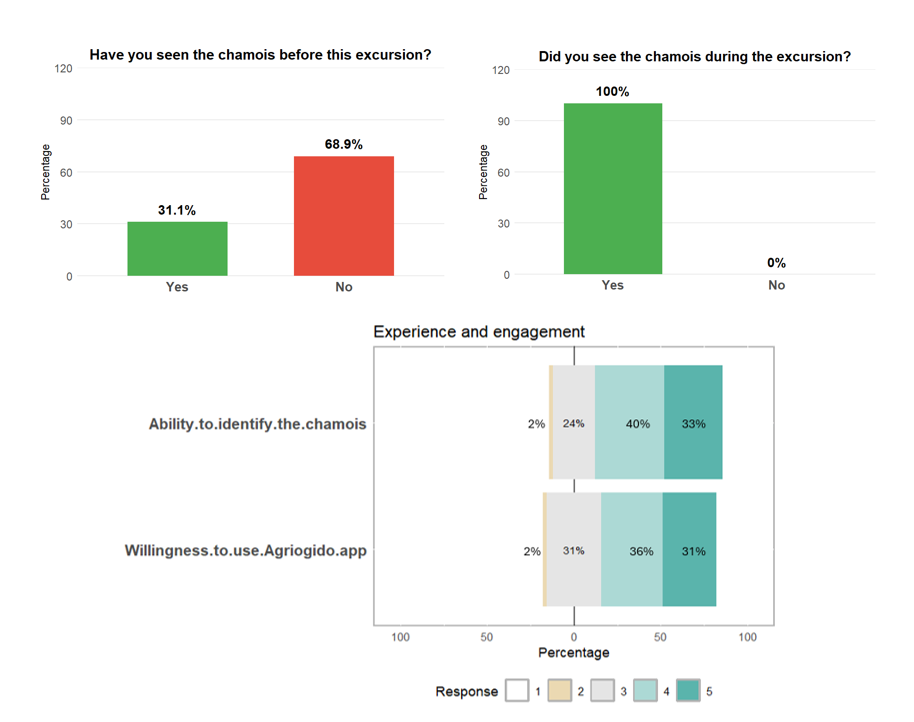
Figure 5. Participants’ experiences and engagement with the excursion. Top: percentage of respondents who had previously seen the chamois and those who observed it during the excursion (Yes = green, No = red). Bottom: participants’ self-reported ability to identify the chamois and their willingness to use the Agriogido app for reporting observations, assessed on a Likert scale (1–5), where 1 = not at all, 2 = a little, 3 = medium, 4 = much, and 5 = very much
Before the excursion, 31% of participants had previously observed a chamois, while 69% had never seen the species (Fig. 5). During the excursion, however, all participants (100%) observed chamois, ensuring that every attendee had the opportunity for direct wildlife experience
Following the excursion, 73% of participants felt much or very much more capable of identifying the species, while most of the remainder gave a medium rating. Similarly, 67% expressed strong willingness (much or very much) to use the “Agriogido” app for reporting observations, with very few selecting the lowest categories.
Taken together, these findings indicate that the excursion offered participants not only the opportunity to directly observe the chamois in its natural environment but also helped to strengthen their confidence in species identification and stimulated their interest in future engagement with citizen science. This underscores the potential of such field-based activities to foster lasting connections between people, wildlife, and conservation.
Q6. Most important experience
Question asked: “What was the most important experience you gained from this excursion?”
Participants’ open-ended responses provided rich qualitative insights into the impact of the excursion. Thematic analysis of the responses revealed these five categories, summarized in Table 1 and Figure 6 along with illustrative quotes translated into English. Nearly half of respondents (49%) emphasized the unique opportunity to directly observe the chamois in its natural habitat, often describing this as an impressive and memorable moment. A large proportion (41%) highlighted the knowledge they gained about the species’ ecology, biology, and conservation, ranging from detailed aspects of its behavior and anatomy to a broader ecological understanding. Several responses (16%) stressed that the excursion deepened their awareness of the need to protect the chamois and its habitats, underlining the importance of conservation action. Others (16%) underlined the value of spending time in nature and the mountains, which fostered a sense of connection to the landscape. Finally, more than a quarter of participants (27%) referred to the positive social dimension of the group experience, emphasizing the good atmosphere, shared learning, and enjoyment of participating together.
Together, these findings show that the excursion offered not only an educational benefit but also an emotional and social experience, strengthening participants’ connection with both the species and its environment, while reinforcing awareness of the importance of its conservation.
Table 1. Main themes emerging from participants’ open-ended responses to the question “What was the most important experience you gained from this excursion?” (N = 38). The table presents the proportion of participants who mentioned each theme, together with illustrative quotes translated from Greek.
Theme | % of responses (N = 38) | Example quotes (translated) |
Direct observation of the chamois | 49% (18/37) | “The observation of such a wild native animal in its habitat.” “The opportunity to see the chamois in its natural environment.” |
Knowledge and learning | 41% (15/37) | “I gained valuable knowledge about the ecology and conservation of the chamois.” “I learned what kind of hooves the chamois has.” |
Awareness of conservation importance | 16% (6/37) | “We understood the importance of protecting its habitats.” “The encounter with the chamois and the need for its protection.” |
Connection with nature and mountains | 16% (6/37) | “Contact with the mountains and nature, teamwork, enjoyment.” “That it is important to maintain our connection with nature and the species that live there.” |
Group experience and atmosphere | 27% (10/37) | “A very nice group with energy and rich interests.” “Good atmosphere and the transfer of valuable knowledge.” |
Note: Because several participants mentioned more than one theme, percentages add up to more than 100%.
Figure 6. Main themes emerging from participants’ open-ended responses to the question “What was the most important experience you gained from this excursion?” (N = 37). Bars show the percentage of participants who mentioned each theme.
Conclusions
Across all questions, participants evaluated the excursion very positively. In the overall rating (Q1), the activity received near-perfect scores, reflecting a high level of satisfaction. The excursion also substantially enhanced participants’ knowledge (Q2), particularly regarding threats to the chamois, habitat connectivity, and the species’ ecology and requirements, with almost all responses concentrated in the two highest Likert categories. Similarly, participants expressed strong agreement on the importance of habitat connectivity (Q3), recognizing the essential role of free movement, the negative effects of fragmentation, and the need to protect ecological corridors.
The activity further served as a source of inspiration for future conservation actions (Q4), with participants indicating high willingness to protect mountain habitats, support chamois conservation, and engage in actions related to habitat connectivity. The excursion also provided valuable direct experiences with the species (Q5): while only one-third had previously seen a chamois, all participants observed it during the excursion. This encounter was accompanied by improved self-reported identification skills and a willingness to engage in citizen science through the Agriogido app. Finally, the open-ended reflections (Q6) reinforced these findings, with participants most frequently highlighting the unique experience of observing the chamois in its natural habitat, alongside gains in knowledge, heightened conservation awareness, connection with nature, and appreciation of the positive group atmosphere.
Taken together, these results demonstrate that the excursion was highly effective not only in transmitting ecological knowledge and conservation values, but also in fostering emotional, experiential, and social connections with the chamois and its environment. Such activities can therefore play a crucial role in building support for biodiversity conservation and citizen engagement.
Transboundary Workshop for the Balkan Chamois in Korçë (AL)
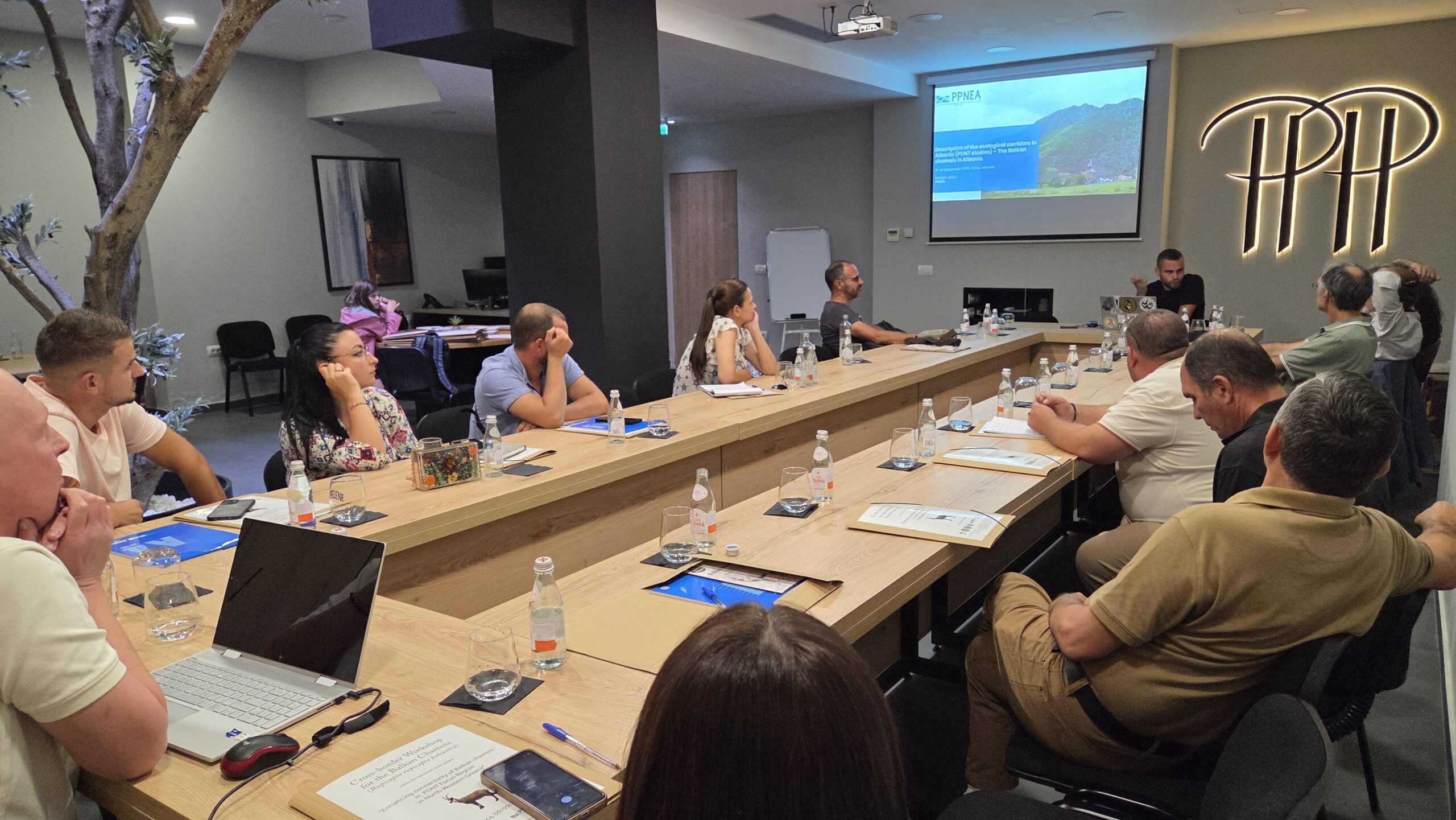 On Tuesday, September 9th, 2025, a transboundary workshop was organized on the Balkan chamois in Korçë, Albania, which brought together scientists and representatives of institutional bodies from Greece and Albania — including forest services, protected area management authorities, border authorities, local government, universities, and environmental organizations.
Participants shared knowledge and experiences on the biology and ecology of the chamois, methodologies for its scientific study, and the problems and challenges the species faces. At the same time, the prospects for strengthening the connectivity of its populations across the two countries were discussed. The actions of the CHAMOIS project were also presented, along with goals for the further protection of the species in its natural habitats.
The program included the following presentations:
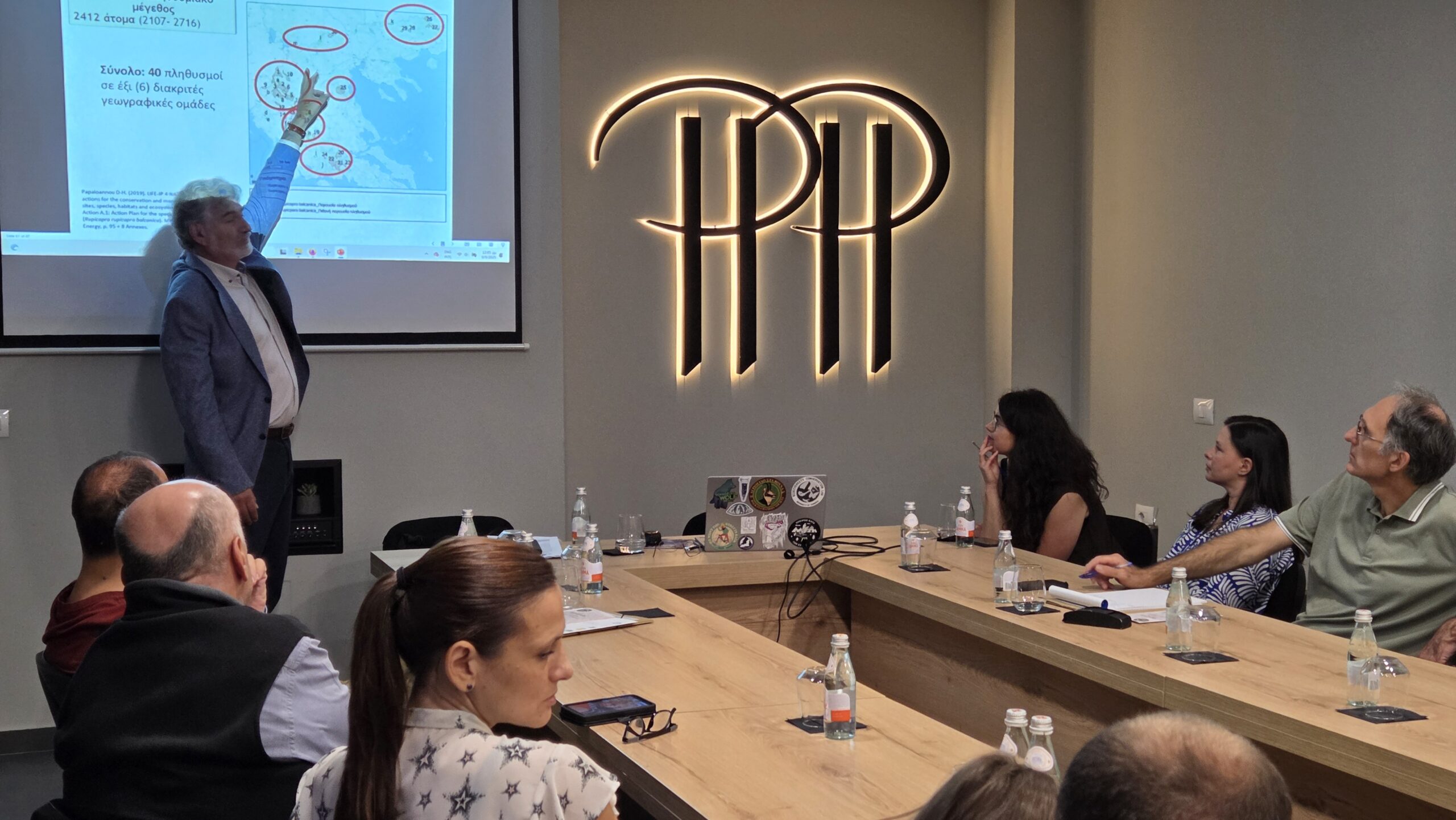
• The Balkan Chamois: Biology, ecology, and conservation challenges
Dr. Haritakis Papaioannou (Balkan Chamois Society)
• The Connectivity Conservation Area and ecological corridors in Northwestern Greece (PONT study)
Dr. Maria Petridou (Biodiversity Conservation Lab & Pindos Perivallontiki)
• Presentation of the CHAMOIS project: Goals, actions, and results
Tonia Galani (Pindos Perivallontiki)
• Description of ecological corridors in Albania (PONT studies) – The chamois in Albania
Melitjan Nezaj (PPNEA – Protection and Preservation of Natural Environment in Albania)
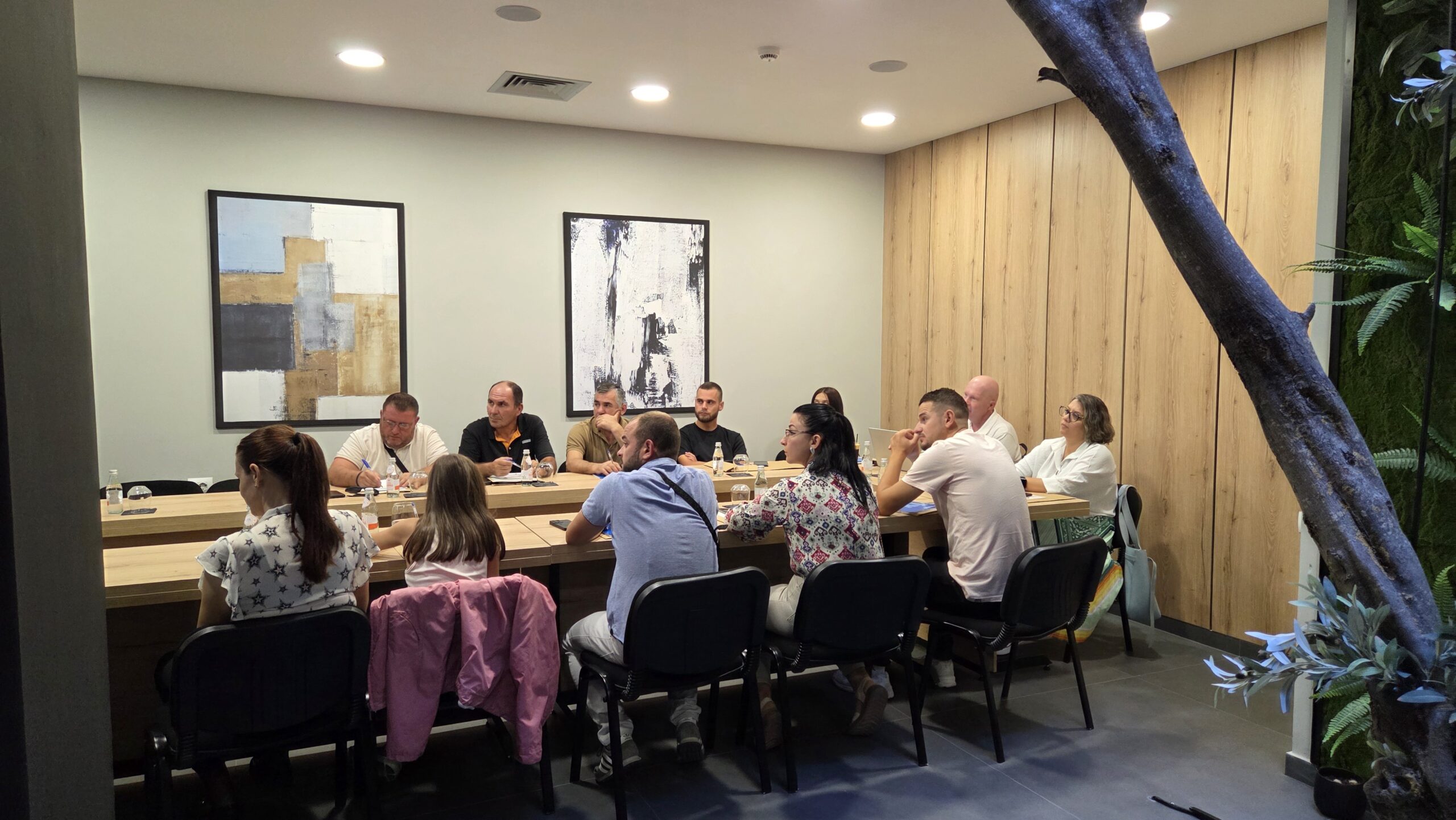 Key elements of the meeting were the joint finding that there needs to be an exchange of knowledge between Greece and Albania, both in terms of methods for monitoring and recording the Balkan Chamois populations, as well as in terms of methods for guarding and supervising the species from poaching incidents. In addition, here are several records of poachers from the neighboring country of Albania, with weapons , that have been recorded poaching chamois inside theGreek territory. The participants confirmed the need for better cooperation and Pindos Perivallontiki committed that during the possible continuation of the CHAMOIS project, cooperation between the two countries will be more frequent and more effective, aiming at the exchange of knowledge and effective guarding of Chamois populations.
 The project “Enhancing the Connectivity of Balkan Chamois Populations in Northwestern Greece” is funded by the Prespa Ohrid Nature Trust – PONT and the A.G. Leventis Foundation, and is implemented by the Balkan Chamois Society, Pindos Perivallontiki, the BCL-Biodiversity Conservation Lab/Greece, and SCHIMA Social Cooperative Enterprise.
Seminar on the Balkan Chamois in Northwestern Greece
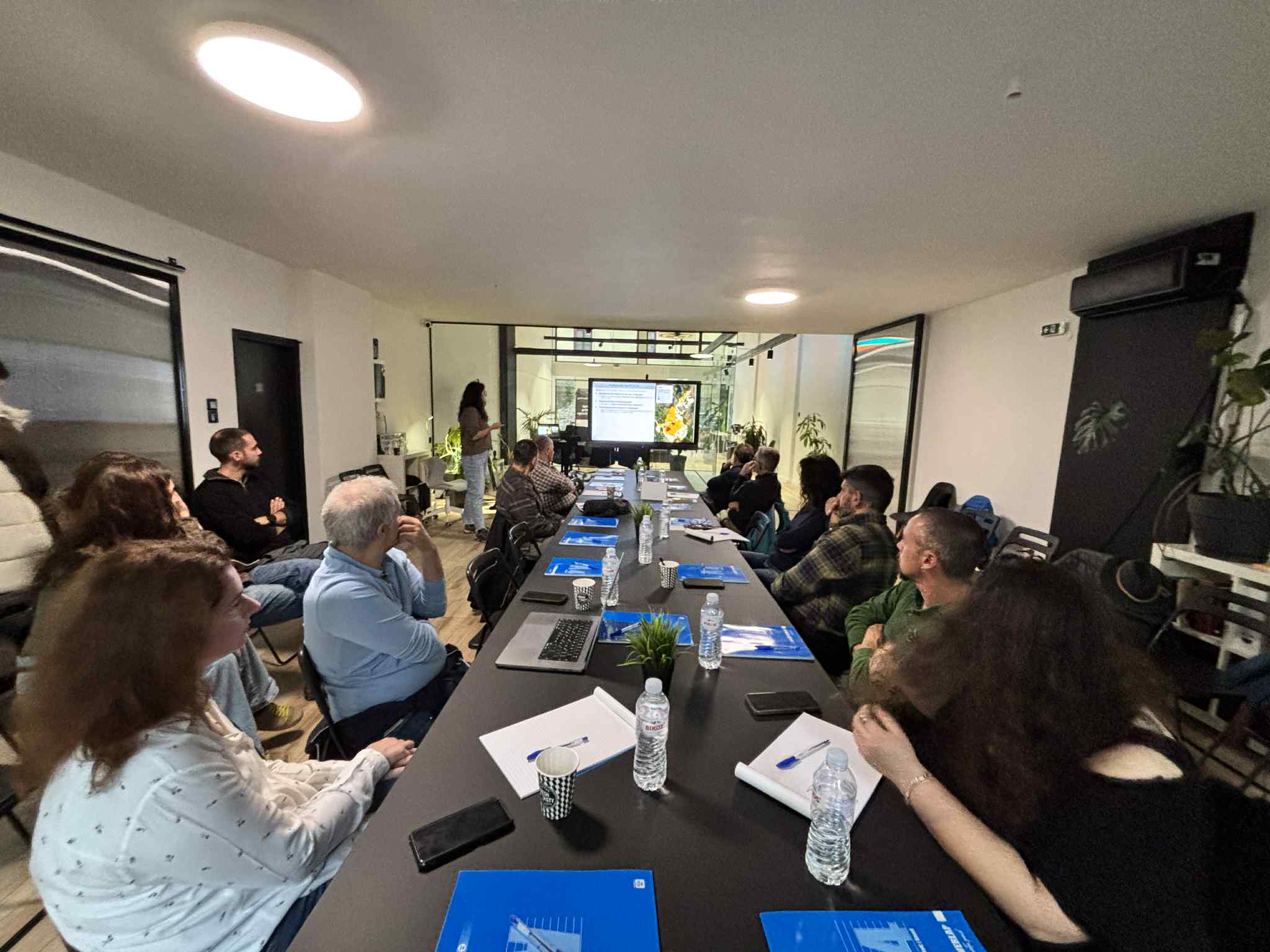 On Thursday, 16 October 2025, a thematic seminar on the Balkan chamois was held in Ioannina, focusing on the species status in northwestern Greece. During the seminar, the results of the project “Enhancing the Connectivity of the Balkan Chamois in Northwestern Greece” (acronym: CHAMOIS–Agriogido) were presented. Particular emphasis was given—as foreseen—to the ecological corridors, that is, the natural communication routes connecting the scattered chamois populations from one mountain to another. In addition, the Management Plan for the Balkan Chamois in Northwestern Greece was presented and discussed, taking into account the presence of chamois populations along the border zone with neighboring Albania.
The seminar was attended by representatives from the central service of the Hellenic Organization for Natural Environment and Climate Change (NECCA), the local NECCA Management Units hosting chamois populations (Northern Pindos, Epirus, Rhodope, Central Greece), the Green Fund, the Forestry Service, the Hunting Federation of Macedonia and Thrace, as well as members of the Regional Branches of the “Balkan Chamois Society” across Greece, the “Pinovo Chamois Club” as well as researchers from Pindos Perivallontiki, the Balkan Chamois Society and the Biodiversity Conservation Laboratory (BCL) of the Department of Biological Applications & Technologies of the University of Ioannina.
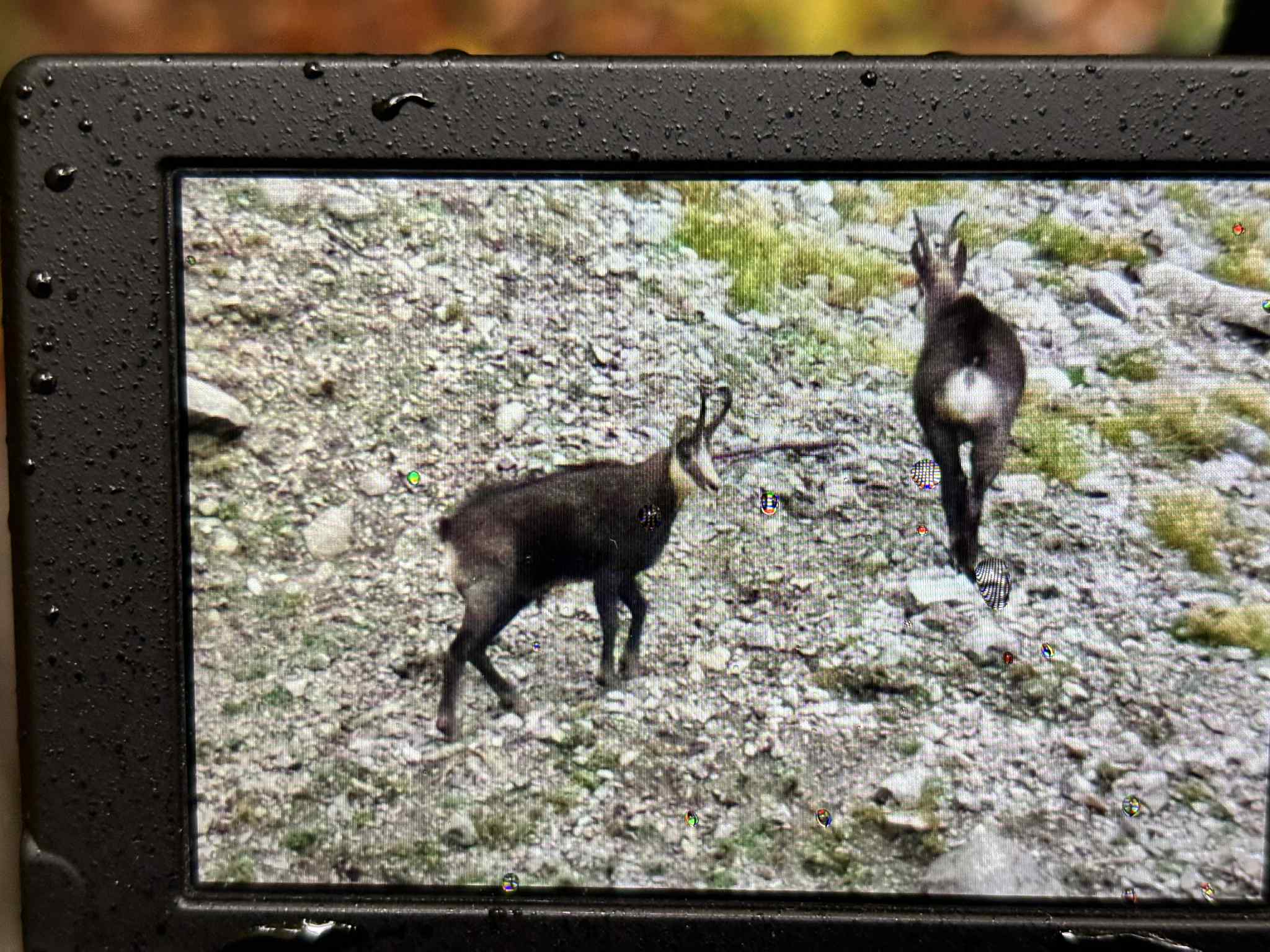 The aim of the seminar was to highlight the importance of ecological corridors, focusing on the conservation of the Balkan chamois (Rupicapra rupicapra balcanica), and to strengthen collaboration among local and national stakeholders with the purpose of exchanging views and developing common directions for the conservation of the species.
Some of the main issues raised for discussion were the population conservation of the species, through the determination of the carrying capacity and effective supervision-guarding. Also important is the genetic study of the Balkan Chamois populations, with the study of the genetic profile of all populations. An important part of the study of the Balkan Chamois that was highlighted at the meeting, are the diseases of the species, which in Greece have not yet spread widely, however, cases of dermatophilosis and Bluetongue disease have been recorded and require study. The working group also discussed the way to treat injuried Balkan Chamois individuals Regarding the predation of the species, the need for a study of the wolf-Balkan chamois relationship was discussed, as well as the study of the lynx-Balkan chamois relationship. Other issues raised for discussion are livestock farming and how livestock can ultimately compete for resources with the Balkan Chamois, with the need to determine the carrying capacity for livestock being essential. The institutional framework regarding the protection of the species was also discussed, with the imperative need to clarify the legislation regarding penalties for poachers. Finally, the need to implement Environmental Education actions and Transnational Cooperation with neighboring countries with joined Balkan Chamois populations was emphasized (Joint Balkan Chamois counting actions between Greece – Albania – North Macedonia).
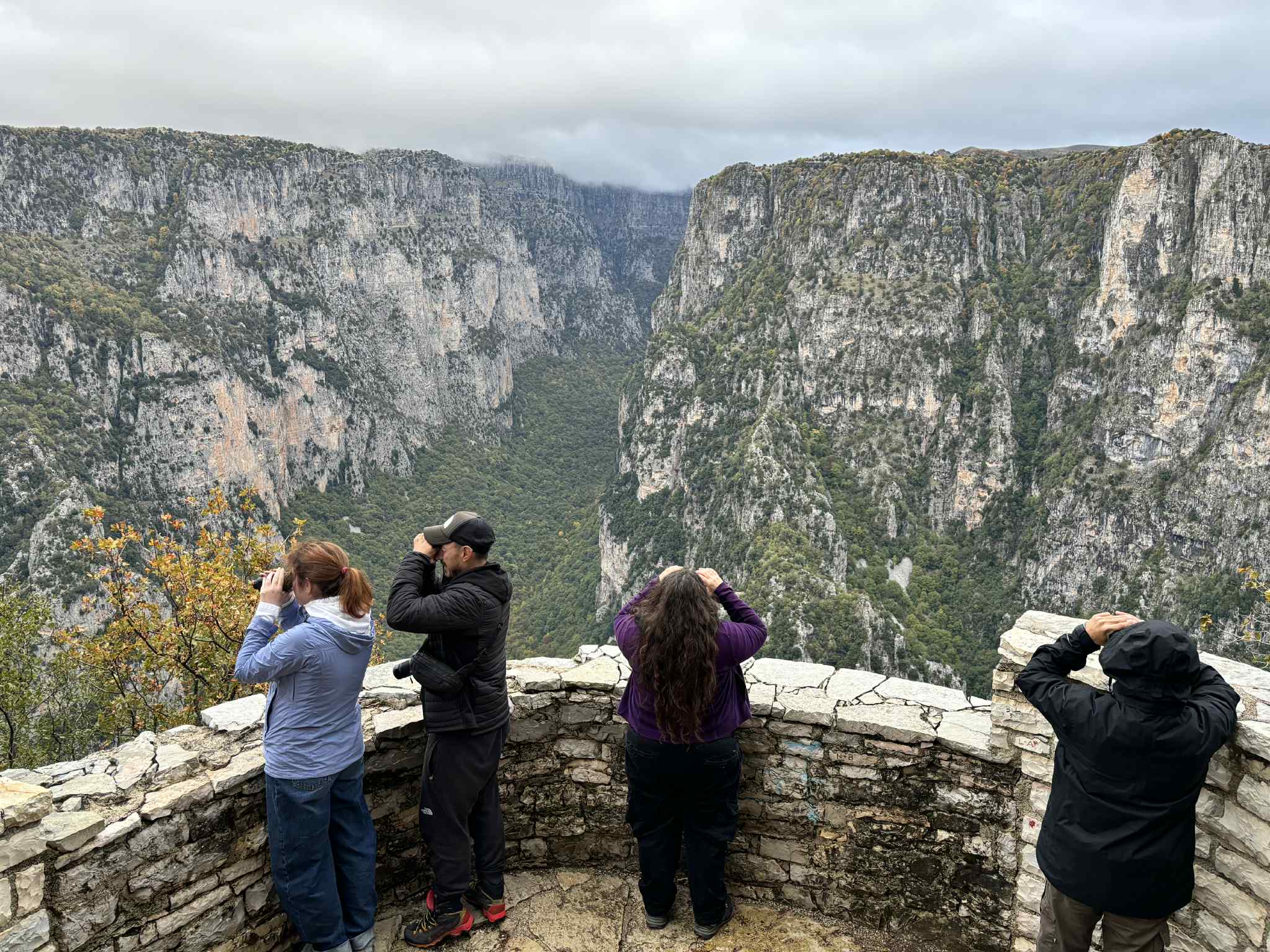 During the following two days (17–18 October 2025), field visits were carried out in chamois habitats in the Tymfi mountain range, including demonstrations of monitoring and recording techniques for the populations of this protected species, as a continuation of the discussions and to enhance understanding of chamois conservation issues. Specifically, the field visits were carried out in the area of Vikos, at Vikaki, in Kousta and Koziakos, and on the northeastern cliffs of Tymfi. Α visit also took place at the Information Centre of the Northern Pindos National Park in Aspraggeloi, Zagori, where the seminar participants had the opportunity to be informed about the rich natural and cultural heritage of the region.
The project “Enhancing the Connectivity of Balkan Chamois Populations in Northwestern Greece” is funded by the Prespa Ohrid Nature Trust – PONT and the A.G. Leventis Foundation, and is implemented by the Balkan Chamois Society , Pindos Perivallontiki, the BCL-Biodiversity Conservation Lab/Greece , and SCHIMA Social Cooperative Enterprise.
3.3. Public awareness raising and engagement on the Balkan Chamois in Greece
Pindos Perivallontiki, within the framework of the implementation of the project “Enhancing connectivity of Balkan chamois in PONT Focus Region in North-Western Greece” (acronym: Chamois), implemented various awareness-raising and public participation actions around the ecological corridors of the Balkan chamois in Greece.
 As part of the awareness-raising actions, 4 lectures were held in the villages within the project area (PP-CCA) in August 2023. More specifically, we had a lecture on 02/08/2023 in Vovousa, a second in Vrysochori on 11/08/2023, a third in Laista on 12/08/2023 and a fourth in Vradeto on 19/08/2023. The project partners presented multimedia material on the Balkan Chamois to the residents.
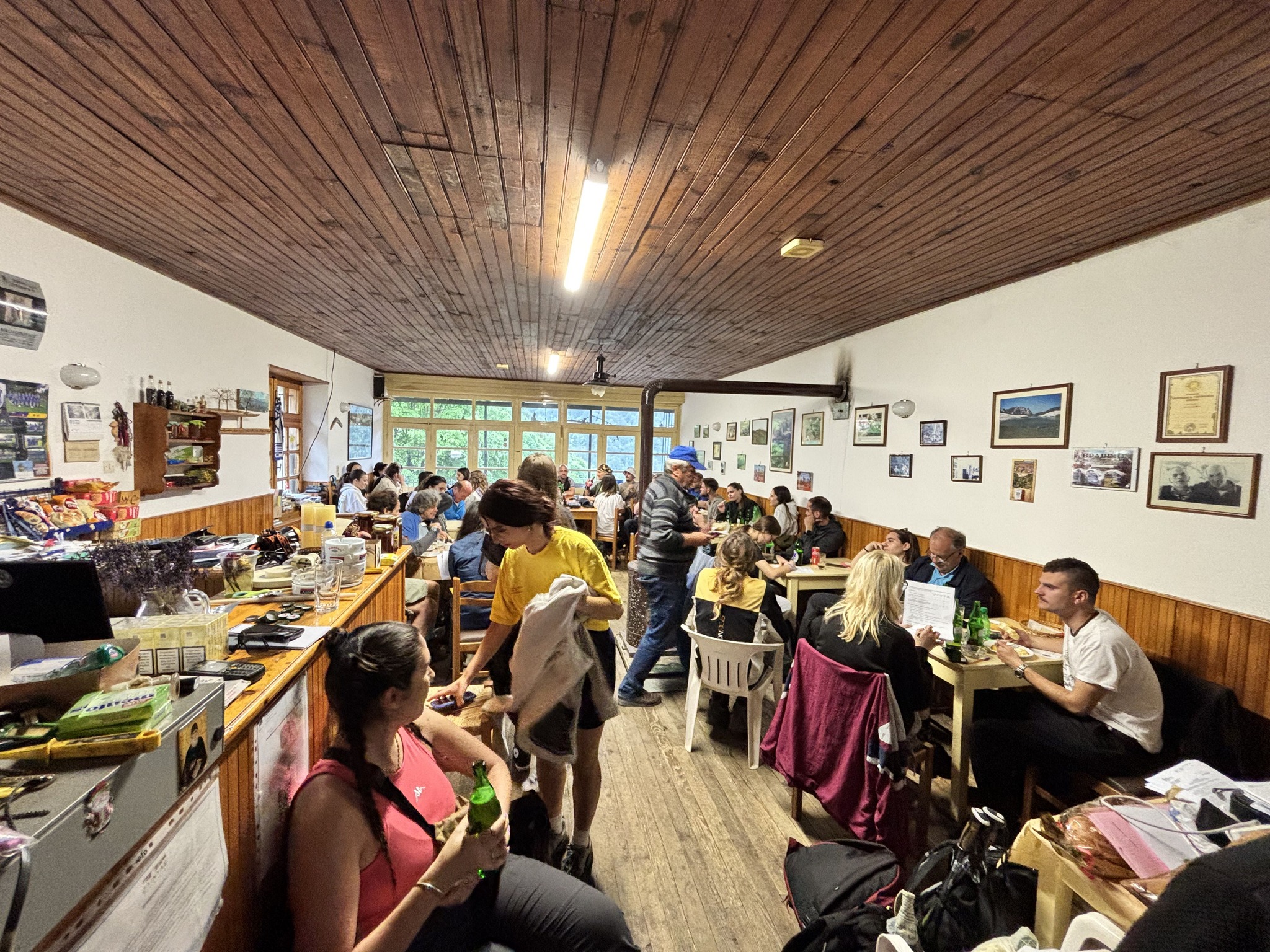 Following the awareness-raising actions, on 7/2/2024, an online seminar entitled “Wild natural areas and wild fauna – Modern” was held, organized by the KEPEA of Karpenisi on the topic “Wild natural areas and wild fauna – Modern proposals”, within the framework of the National Thematic Network: “Wild fauna at risk”. The aim of the seminar was to present issues related to modern needs in wild natural areas and how it affects wild fauna. Dr. Charitakis Papaioannou participated as a speaker in the seminar with the title of presentation: “The Balkan Chamois in Greece: Dangers, challenges”. Participants: >100 people.
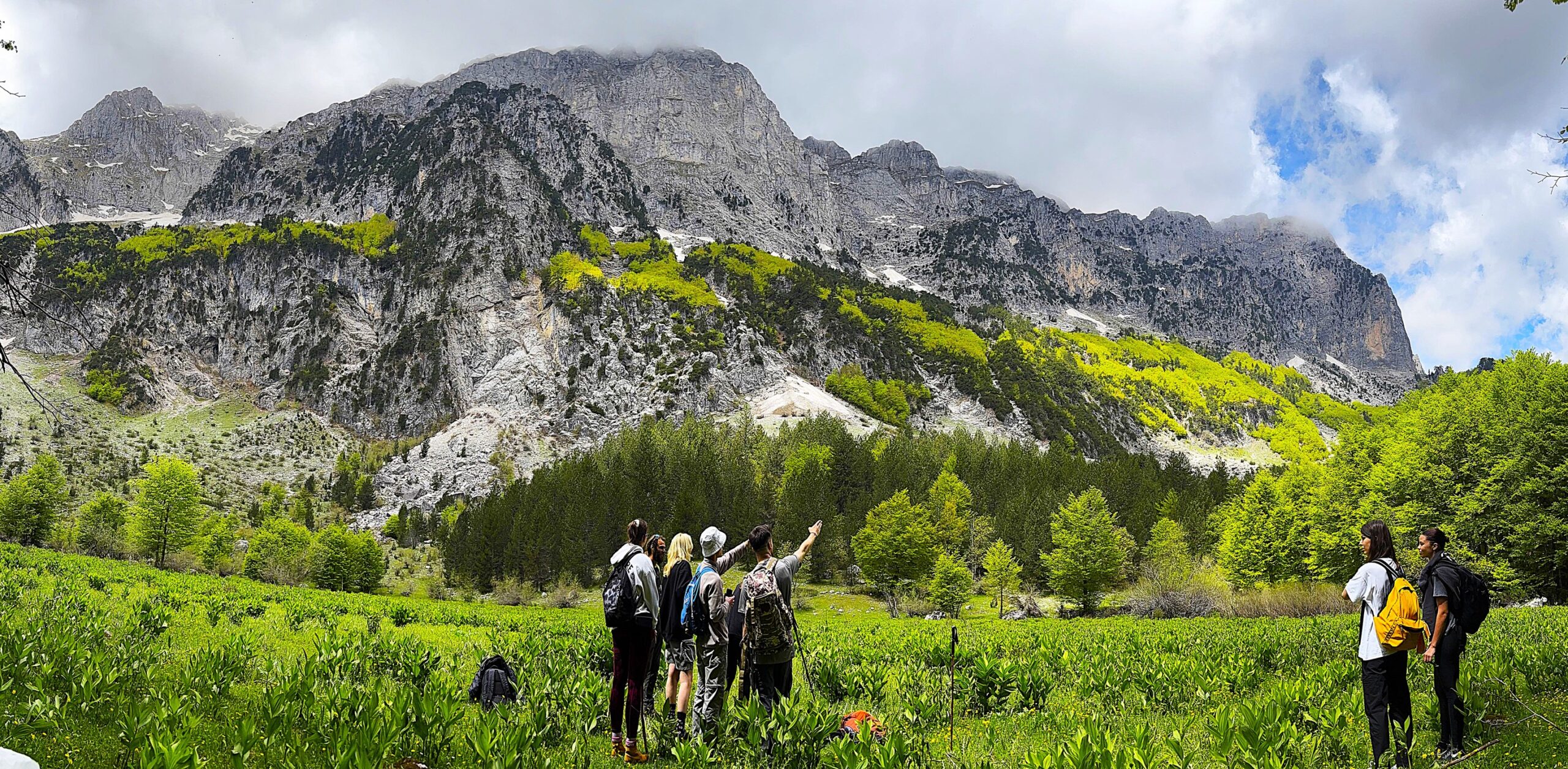 Part of our actions was also prompted by the presentation of Dr. Papaioannou Charitakis on 11/12/2024 at the Conference for International Mountain Day by the EOS of Ioannina, with the title of presentation: “The Balkan Chamois in northwestern Greece”. Participants 10 people.
Another one of our public awareness raising actions was our involment in a Study trip on December 16th-18th, 2024, in Konitsa, Greece. The activity aimed to show and teach the local actors of the Polis-Valamarë-Rungajë-Moravë-Gramoz CCA in Albania about the management of a similar ecological corridor in Greece, the roles of actors involved, and what can be improved from a legal perspective, and in terms of cooperation between local actors for a better sustainable management and development. On 17th December 2024 Dr Haritakis Papaioannou gave a lecture with the title: “The PINDOS-PRESPES Connectivity Conservation Area (PP-CCA)” and made a visit in the field presenting and explaining to the participants the PP-CCA from Prophet Elias viewpoint of Konitsa. Chamois project was presented as well.
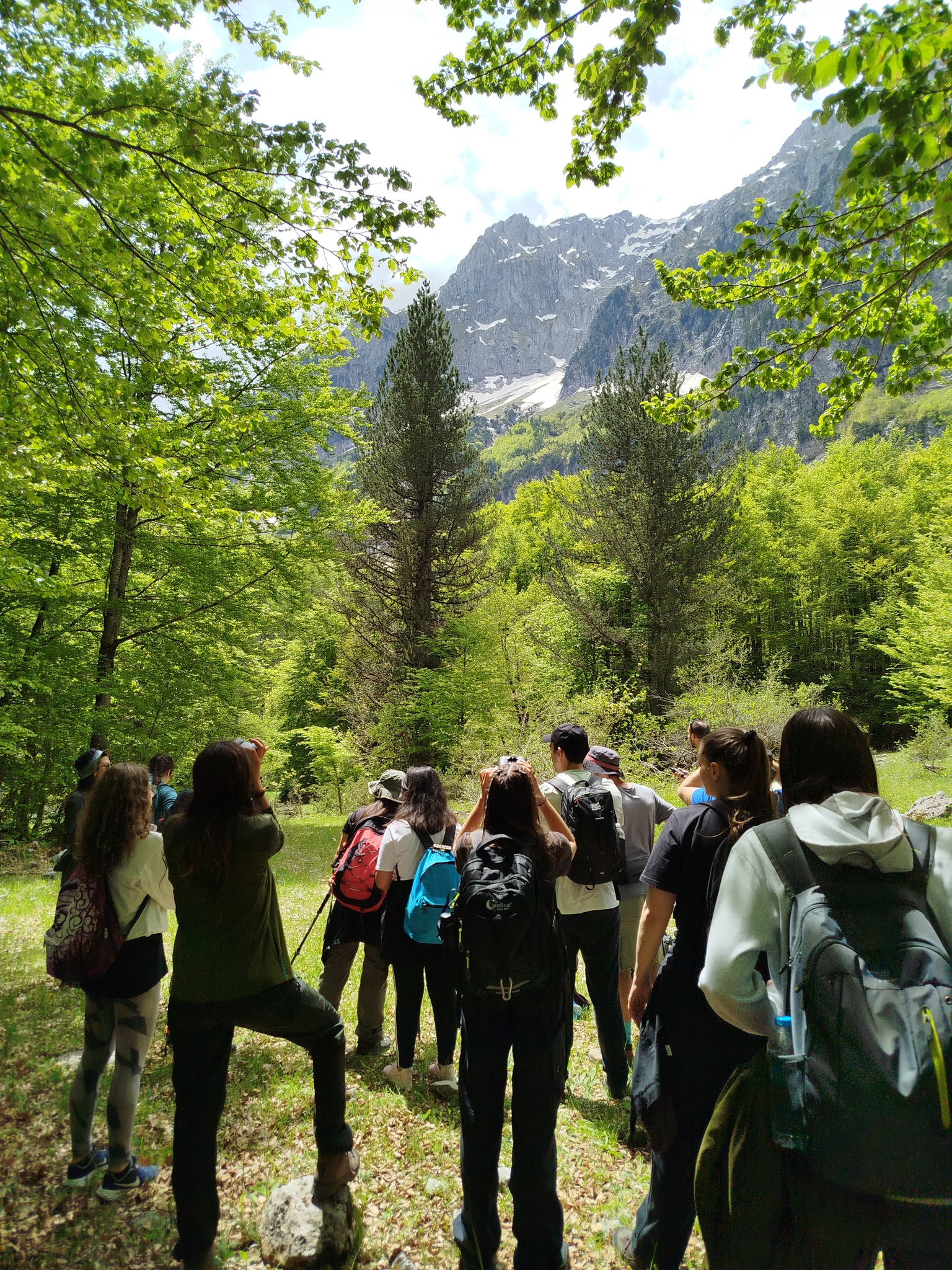 Apart from the above, our actions continued on 13/3/2025, where Dr. Papaioannou Charitakis participated in the Online Conference entitled “Alpine Ecosystems of Greece: Biodiversity and Climate Challenges” which was held in co-organization with the volunteer group of students of Aristotle University of Thessaloniki Biodiversity AUTH and LiMnADs Project, with the title of the presentation: “The Balkan Chamois of the Greek mountains”. Participants: 100 people.
On 7/4/2025, Pindos Perivallontiki participated in a hybrid event by the Biodiversity Conservation Laboratory of the Department of Biological Applications & Technologies of the University of Ioannina with representatives of Dr. Charitakis Papaioannou and Konstantinos Papakosta, who gave a presentation entitled: “The Balkan chamois and the connectivity of its populations in NW Greece (PONT project)”. The talk presented the basic characteristics of the species, as well as the study of its populations in NW Greece in terms of habitat suitability and the connectivity of the different populations in the area. The study is part of the PONT (Prespa Ohrid Nature Trust) Project “Enhancing connectivity of Balkan chamois in North-Western Greece”. Participants: 40 people.
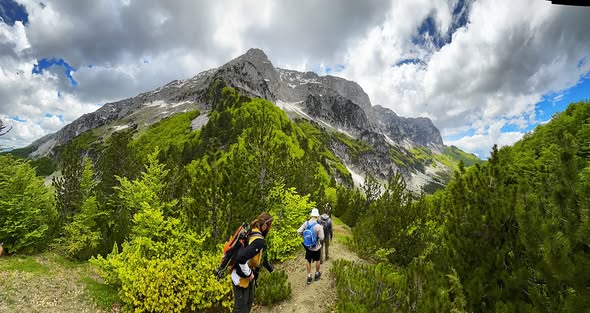 On 30/4/2025, Pindos Perivallontiki participated in an online conference entitled: “Knowledge of Biodiversity: its Value and Increase with Citizen Science Tools”, Library of the School of Sciences of the National University of Athens, Zografou Campus (Athens). The conference focused on highlighting the importance of Knowledge of Biodiversity, the presentation of the various types of data related to it, as well as practical applications for increasing this data through Citizen Science tools. Representatives from iSea, the Goulandris National Museum of Natural History, NECCA, the Mediterranean Institute for Nature and Man – MedINA, the Hellenic Ornithological Society, the Prespa Protection Society, the Balkan Chamois Society, as well as Kostas Papafitsoros (Queen Mary University of London, ARCHELON) participated. The event was held in collaboration with the Goulandris National Museum of Natural History and iNaturalistGR and was implemented with the support of WWF Greece within the framework of the obSERVING NATURE program, part of the “Alliance for Wildlife” initiative. Pindos Perivallontiki participated with a presentation entitled: “The Balkan chamois and the role of civil society”. Speakers: Dr Haritakis Papaioannou, K. Papakostas. Participants: 100 people.
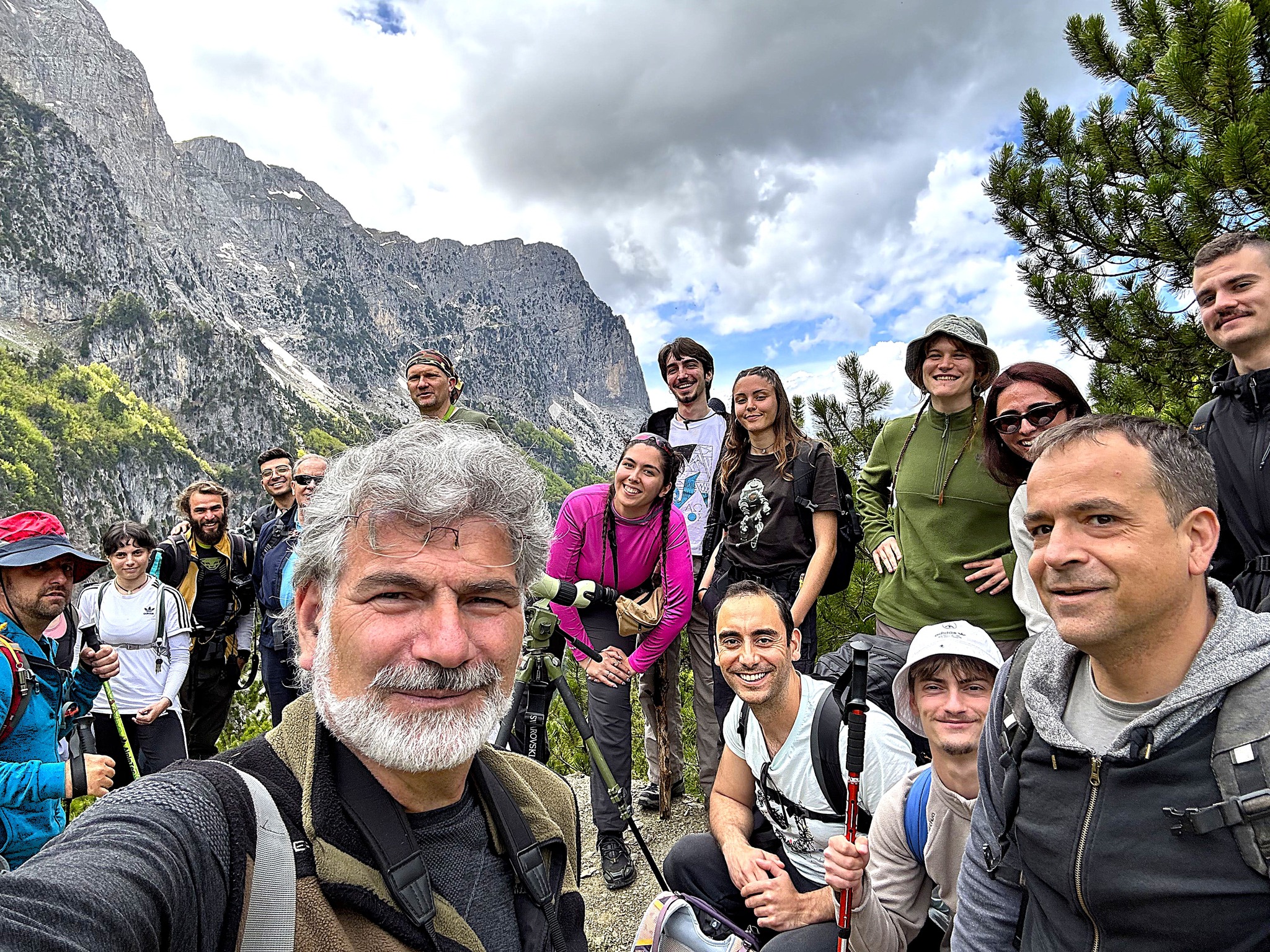
In addition , on May 11, 2025, an educational excursion was organized on Mount Tymfi, in the wider area of Vrysochori, with the aim of introducing participants to the ecology and conservation of the Balkan Chamois(Rupicapra rupicapra balcanica). The event attracted great interest, with more than 350 applications, of which eventually 47 people were chosen to participate. The group consisted of 40 students and staff members of the University of Ioannina, along with seven citizens, including professional mountain guides and members of the Ioannina Mountaineering Club.
During the excursion, the participants walked through beech forests and alpine meadows, experiencing the rich biodiversity and picturesque landscapes of Tymfi. Wildlife observations included groups of Balkan chamois with their kids and yearlings and a female bear with her cubs, offering a unique and powerful encounter with large mammals in their natural environment. During the trip, participants were also introduced to ecological concepts related to the Balkan chamois, its habitat requirements and the importance of habitat connectivity for the long-term survival of the species. In addition, the application regarding the recording of chamois observations in the field (Agriogido app) was presented to the participants. The excursion was publicly reported, as a journalist from the local television channel EpirusTV1 participated in the event, recording footage and conducting interviews. A short feature on the activity was broadcast afterwards, further highlighting the importance of the initiative and the high level of local interest (EpirusTV1, 2025; available at: https://www.youtube.com/watch?v=L1ElIdrY5hE).
To assess the educational impact and experiential dimension of the activity, an anonymous structured questionnaire was distributed to all participants at the end of the field trip. In total, 45 out of 47 participants completed the questionnaire (96% response rate). The questionnaire included closed and open-ended questions designed to capture (i) participants’ overall evaluation of the field trip, (ii) knowledge gained about the Balkan chamois and its habitat, (iii) perceptions of the importance of ecological connectivity, (iv) their direct experience of observing the species, and (v) their participation and willingness to use the citizen science mobile app “Agriogido”. Finally, an open-ended question invited participants to reflect on the most important experience they gained from the trip, providing qualitative information about the educational and social dimensions of the event.
In addition to the above events in Greece, Pindos Perivallontiki participated in the Symposium on Connectivity Conservation Areas organized by PPNEA in the Albanian Alps (11–13 June 2025), represented by Dr. Petridou Maria, who participated as a guest speaker and delivered two presentations:
1. “Description of the Connectivity Conservation Area in Northwestern Greece: a PONT Study” – describing the PP-CCA and presenting the activities and outcomes of the CHAMOIS-Agriogido project within its framework.
2. “Wolf–livestock interactions in Northwestern Greece: Husbandry practices, socioeconomic context, and insights from camera trapping” – based on Dr. Petridou’s PhD research (BCL), which was largely conducted within the PP-CCA.
Another action concerns participation in an event entitled: “TZOUMERKA: Natural environment- Values- Challenges- Prospects” which took place in Kalarrytes on the weekend of July 26-27, 2025, organized by the Patriotic Association of Kalarrytes “Pindos”.
A speech was given by Dr. Charitakis Papaioannou on 27/7/2025 entitled: “The Balkan Chamois, an emblematic animal of the Pindos mountains”. The presentation had two parts. Part A concerned the Balkan Chamois in general and Part B the Chamois project.
Also, Dr. Haritakis Papaioannou and Professor Vasiliki Kati participated as guest speakers at the Transboundary Rivers Forum (with emphasis on the Aoos/Aoos River), organized by MedINA in Ioannina, Greece (24–27 September 2025). Dr. Haritakis Papaioannou delivered a keynote presentation titled “The Pindos–Prespes Connectivity Conservation Area (PP-CCA)”, where the CHAMOIS-Agriogido project was also presented.
Prof. Kati participated in a discussion panel on “Rivers as Ecological Corridors.”
Finally, on 10/10/2025, Pindos Perivallontiki/ Balkan Chamois Society/ BCL-University of Ioannina represented by prof. Vassiliki Kati and Dr. Papaioannou Haritakis, participated in a Conference during the 8th Panhellenic Trails Meeting in Kastoria. Dr. Papaioannou performed a lecture entitled: “The Balkan Chamois in Northwestern Greece”. Participants: >200 people.
The “CHAMOIS-Chamois” project is implemented by “Pindos Perivallontiki” in collaboration with the “Balkan Chamois Society”, the Biodiversity Conservation Laboratory of the Department of Biological Applications & Technologies of the University of Ioannina and the “KoinSEP Scheme”. The project is financially supported by the “Prespa Ochrid Nature Trust” and the “A.G. Leventis” Foundation.
Educational Excursion to the Chamois Habitat on Mount Grammos, May 11, 2025
We invite you to a unique experience in the habitat of the chamois on Sunday, May 11, 2025, on Mount Grammos. The chamois (Rupicapra rupicapra balcanica) is a protected species of ungulate mammal, a symbol of high mountains. More about the species here.
Eligibility:
The excursion is open to all academic members of the University of Ioannina, students and non-students, from all Departments, and to any interested citizen.
Organizers:
- Association for the protection of the Chamois “Chamois in the Mountains-Balkan Chamois Society”
- “Pindos Perivalontiki”
- BCL (Biodiversity Conservation Laboratory of the Department of Biological Applications of the University of Ioannina).
Cost:
- Participation in the workshop and transportation are free.
- Food is not covered.
- Food/coffee is available at the cafe-restaurant “The Grammos Wildflower”.
Excursion Program:
- 7:45: Gathering for boarding in front of the Academia school (Dodoni).
- 8:00: Departure by bus from Academia.
- 10:00: Arrival in the village of Plikati, Municipality of Konitsa.
- 10:00-11:00: Observation of the chamois habitat and attempt to locate individuals of the species with binoculars and telescopes from the area of the tourist accommodation “Grammos Wildflower”.
- 11:00-15:00: Ascent to the Rosdoli Grammos peak (altitude 1975m) with frequent stops to observe the chamois habitat and locate individuals of the species.
- 15:00-18:00: Return to the accommodation “Grammos Wildflower”.
- 18:00-19:00: Rest-food-coffee (anyone who wishes).
- 19:00: Departure for Ioannina.
- 21:00: Arrival in Ioannina.
What to bring:
- Appropriate clothing: walking shoes (ideally hiking boots), long pants, waterproof, jacket, hat, sunscreen, beanie.
- Water bottle: at least 1 ½ liters (each person according to their needs).
- Backpack.
- Equipment: If you have it, bring your camera, binoculars, charged smartphone, GPS or similar mountain route recording application.
- Mobile app: Download the “Agriogido” application on your mobile phone.
There will be the possibility for those who are not in satisfactory physical condition to interrupt the course in the middle and return with an escort to the accommodation “Grammos Wildflower” earlier.
Funding:
The excursion is carried out within the framework of the project “Strengthening the connectivity of the Balkan chamois in Northwestern Greece (PONT area of interest)”. The project is funded by the “Prespa Ohrid Nature Trust – PONT” and the “A.G. Leventis” Foundation.
Important:
- Your personal data is protected (GPDR).
- You declare participation at your own risk for your medical and physical condition.
- The area is remote and there is no access to shops or pharmacies/health center.
Contact:
- We will inform you about your participation by e-mail until May 4, 2025.
- Contact: k.papakostas @ uoi.gr (Kostas Papakostas, PhD Candidate VET)
Register:
Click on the link to register by May 1st, 2025.